473-475 Lygon Street, Brunswick East, VIC, 3057


Lygon Everyday Chemist
473-475 Lygon Street, Brunswick East, VIC, 3057
For many of my patients it’s something like:
“8/10 sore, 9/10 swollen, 0/10 impressed.”
That’s where proper compression stockings come in – not the cheap “tight socks” you grab online, but medical-grade leg support that actually changes how your veins work.
I’m Domenic from Lygon Everyday Chemist, and after almost four decades in pharmacy, I can tell you: getting compression right is one of the easiest ways to improve someone’s daily comfort – and sometimes protect their long-term health.
Let’s break it down.
Who are compression stockings really for?
Short answer: far more people than you’d think.
1. Travellers
- Long-haul flights
- Long drives, bus tours, or train trips
- FIFO workers
Why: Sitting for hours slows blood flow in the calves – hello swollen ankles and increased DVT risk.
2. Pregnancy
- Swollen ankles and feet
- New or worsening varicose veins
- Standing or sitting jobs during pregnancy
Why: Pregnancy changes blood volume and hormones, putting extra pressure on leg veins.
3. Work & Everyday Life
- Retail and hospitality workers
- Nurses and carers
- Teachers
- Office workers who sit most of the day
Why: Long periods of standing or sitting both push fluid into the lower legs. By 3 pm the shoes feel tight, legs feel heavy, and motivation drops.
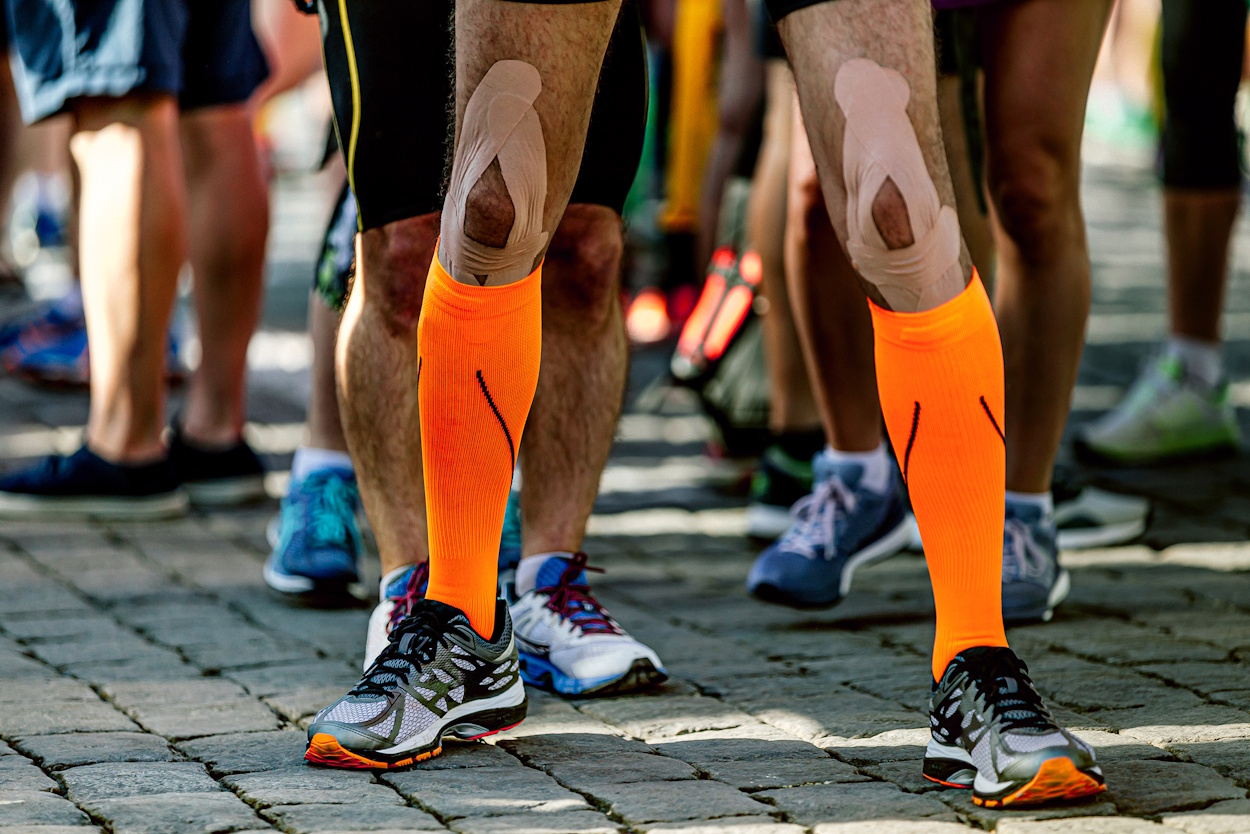
4. Sports & Recovery
- Runners, cyclists, gym-goers
- Weekend warriors
- People returning to exercise after injury
Why: Compression helps clear metabolic waste products, improves circulation, and speeds up recovery after training.
5. Vein & Medical Support
- Varicose veins and “ropey” veins
- Oedema (fluid in the legs)
- History of DVT or higher clot risk (on your doctor’s advice)
- Post-surgery support
Why: Here we’re talking real therapeutic treatment, not just comfort – correct compression can significantly reduce symptoms and complications.
6. Style & Confidence
- People who want support without looking “medical”
- Younger customers, office workers, anyone who loves patterns and colour
Why: Modern compression can be genuinely stylish – you can support your veins and still love how your outfit looks.
Types of compression stockings – not all are created equal!
When we talk compression at the pharmacy, we’re really talking about three broad types:
1. Well-being / Medical Compression
- Knee-high, thigh-high or pantyhose styles
- Smooth fabric, often looks like regular hosiery
- Used for: travel, pregnancy, work, tired legs, mild swelling, early varicose veins
These are your all-rounders – great for most people who need daily leg support.
2. Sports Compression
- Tighter, more technical feel
- Often labelled as “performance” or “recovery”
- Used during or after exercise
These are engineered for muscles and performance, not just veins – they help with recovery and reduce muscle fatigue.
3. Style / Fashion Compression
- Bright colours, patterns, argyle designs
- Still medical-grade, but designed to look like fashion socks or tights
- Popular with people who don’t want “hospital beige” legs
These are perfect when you want support + personality.
Why proper compression stockings are NOT the same as generic “tight socks”
You’ll see plenty of cheap “compression socks” online for $20–$30.
Here’s why they’re often a false economy.
1. Graduated compression vs random tightness
Medical stockings are designed so the pressure is highest at the ankle and gradually decreases up the leg.
That gradient is what helps push blood back up towards the heart.
Cheap generics? They’re often just tight tubes of fabric – the pressure may be uneven or even higher at the calf than the ankle, which can make symptoms worse.
2. Tested compression levels (mmHg)
Medical stockings are labelled with specific mmHg levels (millimetres of mercury – the same unit used for blood pressure). That tells us exactly how strong the compression is and what it’s suitable for.
Generics usually say things like “firm support” or “high compression” – which means - nothing. There’s no way to match them to your medical needs.
3. Proper sizing and fit
Good brands offer sizing based on ankle, calf, and sometimes thigh and leg length measurements.
This matters because:
- Too tight = uncomfortable, can mark or damage skin
- Too loose = doesn’t work, slips down, wasted money
In pharmacy we measure you properly so the stocking works as intended.
4. Comfort & breathability
Medical stockings use fibres designed for all-day wear:
- moisture wicking
- soft against the skin
- less likely to cause itching or irritation
Cheap versions are often hot, scratchy and end up in the back of a drawer.
5. Durability
A well-made pair can last months to a year with correct washing. Generics stretch out, lose compression and may ladder or tear quickly – so that “cheap” pair isn’t so cheap when you’re replacing it every few weeks.
6. Safety
For some people (severe arterial disease, certain skin conditions), strong compression isn’t safe without medical advice. Using random high-compression socks without knowing the real level isn’t a good idea.
The three main compression levels – and why they matter
Think of compression levels like strengths of medicine – you want the right dose.
Level 1 – Mild (15–20 mmHg)
Best for:
- Travel (flights, long drives)
- Mild tired or achy legs
- Early pregnancy support
- People on their feet or seated all day who want prevention
Why: Gentle, comfortable for first-time users, enough to improve circulation and reduce light swelling.
Level 2 – Moderate (20–30 mmHg)
Best for:
- Varicose veins
- Pregnancy with noticeable swelling or vein issues
- Oedema (doctor-diagnosed)
- Standing all day with moderate symptoms
- Post-procedure vein treatment (as directed by a specialist)
Why: This is the workhorse level in medical compression – strong enough to provide real therapeutic benefit while still wearable daily for most people.
Level 3 – Firm (30–40 mmHg)
Best for:
- Chronic significant swelling
- Post-DVT support
- Certain lymphoedema cases
- When specifically recommended and fitted by a doctor or specialist
Why: Very strong compression, not a DIY choice. Needs professional fitting and medical oversight.
Common questions patients ask about compression stockings
I hear these almost every week at Lygon Everyday Chemist.
1. “Do I really need them? My legs are just a bit puffy.”
If your legs are regularly swollen, heavy, or aching, they’re asking for help. Compression is one of the safest, non-drug ways we have to:
- improve circulation
- support veins
- protect long-term leg health
Early use can delay or reduce the need for more invasive treatments later.
2. “Can I just buy them online?”
You can – but it’s a bit like guessing your prescription glasses strength from a photo.
In pharmacy we:
- take your measurements
- talk about your medical history and goals
- match you to the right level, length, and style
- show you how to put them on and wash them
Once you know your size and level, then online top-ups make more sense.
3. “Are they uncomfortable?”
Good compression should feel snug and supportive, not painful. The first few days can feel different, but most people say:
“I notice them when I put them on.. I really notice when I forget to wear them.”
If they hurt, dig in, or cut off circulation, something is wrong – size, level, or fit needs reviewing.
4. “How long should I wear them each day?”
General rule (if your doctor hasn’t given specific instructions):
- Put them on first thing in the morning before swelling starts.
- Wear through the day, especially when standing, sitting, or travelling.
- Take them off at night unless your specialist says otherwise.
5. “Can I sleep in compression stockings?”
Usually no need for standard well-being or travel use. Overnight wear is sometimes used in specific medical situations, but that’s specialist territory.
6. “Do I wear them on both legs?”
Most of the time, yes – especially for travel, pregnancy, work and prevention. For medical conditions affecting one leg more than the other, your doctor or vein specialist might tailor the plan.
7. “How do I look after them?”
- Wash in lukewarm water with mild detergent
- Avoid fabric softeners and hot dryers
- Dry flat, out of direct heat
- Have at least two pairs – one on, one drying
Good care keeps the compression accurate and the fabric comfortable.
8. “I tried compression once and hated it – what now?”
That’s like saying “I tried one pair of shoes and shoes aren’t for me.” Often the problem is:
- wrong size
- wrong compression level
- wrong style for your lifestyle
We refit a lot of people who “hated compression” and they’re now our biggest advocates.
When should you come and talk to us?
Come and see us at Lygon Everyday Chemist (or your local pharmacy) if:
- Your legs feel heavy, tired or tight by the end of the day
- Your shoes feel tighter at night than in the morning
- You’re pregnant and noticing swelling or veins
- You’re booked for a long-haul flight
- You’ve started to see new varicose veins
- You exercise regularly and want better recovery
We’ll measure you, discuss your health, and help you choose the right category (Well-Being, Sports, Style) and compression level (1, 2 or 3 – if appropriate).
Final word from a pharmacist
Compression stockings are one of those rare products that can be:
- evidence-based,
- non-medicated,
- and immediately noticeable in how you feel by the end of the day.
The key is not just buying “tight socks”, but choosing proper medical-grade compression, fitted and explained by someone who knows what they’re doing.
If your legs could talk, they’d probably say: “Can we please go and see the pharmacist about this?”
And at Lygon Everyday Chemist, we’re here every day to help them out.
If your legs could leave a Google review for your day, what would they say?
9.00am - 8.00pm
9.00am - 8.00pm
9.00am - 8.00pm
9.00am - 8.00pm
9.00am - 8.00pm
9.00am - 5.00pm
11.00am - 3.00pm
Call to confirm
Monday:
Tuesday:
Wednesday:
Thursday:
Friday:
Saturday:
Sunday:
Public Holidays:
Opening Hours

473-475 Lygon Street, Brunswick East, VIC, 3057